Choosing the Right Buggy Adventure in Dubai
Picking a buggy adventure takes more than choosing the first appealing listing. The desert can be forgiving in photos and far less forgiving in person, especially when heat, sand conditions and route choices change the feel of the day. A sensible choice starts with knowing what kind of outing suits your group, your comfort level and the amount of time you want to spend travelling to and from the dunes.
Start with the kind of driving you want
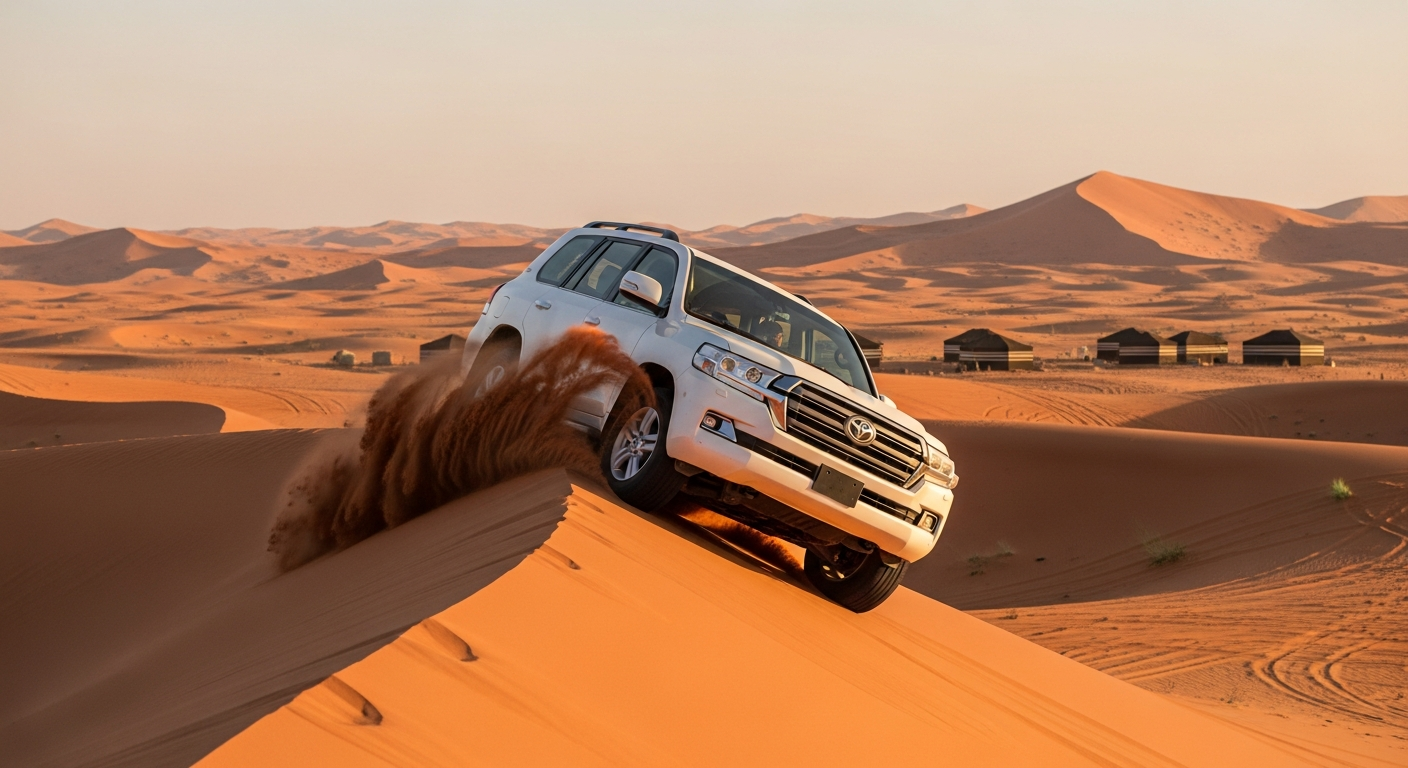
Buggy trips vary in character. Some are short, active sessions focused on driving over open sand. Others sit inside a wider desert safari, with a stop for photos, a dune bash in a larger vehicle, sandboarding, dinner or entertainment. Decide which format matters most before comparing details.
If the main aim is hands-on driving, look for a route where participants take turns in a buggy or drive their own vehicle under supervision. If the group includes children, older relatives or people who prefer a slower pace, a broader safari may be easier to enjoy. The best fit is the one that matches energy levels, not the one that sounds most dramatic.
Also think about the vehicle type. A buggy is usually smaller and more direct than a quad bike, with a different seating layout and steering feel. Some models are built for one driver, others carry a driver and passenger. Check the seating arrangement when booking, because two people planning to share the ride need a vehicle that allows it safely.
Check who can take part
Age rules, licensing expectations and passenger limits can differ between operators and vehicle types. Read these details before paying. A trip that looks suitable at first glance may not accept younger children, or may require a valid driving licence for anyone who wants to drive. If a rule is unclear, ask for confirmation in writing.
Physical comfort matters too. Driving over sand involves vibration, sudden turns and changes in slope. Anyone with back trouble, neck issues, joint pain or sensitivity to heat should think carefully before joining an active driving session. A seated passenger role may be more comfortable, though it still involves rough movement.
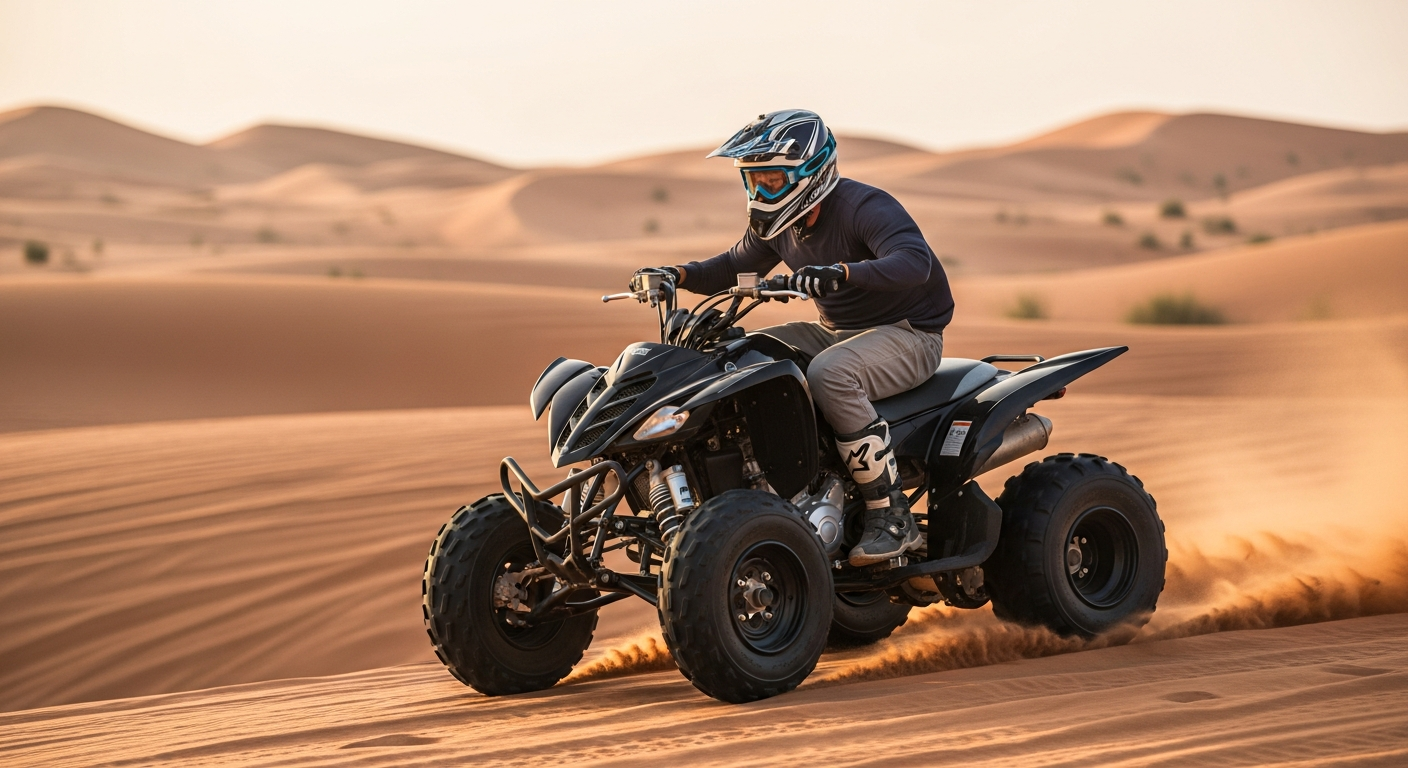
Clothing is part of preparation. Lightweight layers, closed shoes, sunglasses and sun protection usually make the day more manageable. Loose scarves and dangling accessories can catch on equipment, so keep them secured. In warmer months, plan for shade and water before and after the activity rather than relying only on what happens during the drive.
Compare the route and the pace
Route quality shapes the experience. Open dunes can feel exciting, while tighter areas may involve more turning and closer contact with other vehicles. Ask how long the driving portion lasts, how far the route runs and whether stops are built in. A longer total tour is not always a longer driving session, and travel time can be a large share of the day.
Pace is equally important. A fast route with frequent stops for photos may feel rushed, while a slower route can give new drivers time to settle. Look for a clear description of the arrangement: whether drivers follow a leader, whether overtaking is restricted and how the group is managed on dunes. Good supervision should keep the ride lively without making participants feel pushed beyond their ability.
This is where a buggy tour dubai can feel very different from one listing to another. Two trips may show similar dunes in their pictures, yet one gives beginners time to learn the controls and another treats the drive as a high-speed run. Choose the format that fits the least confident person in the group, since the whole day is more enjoyable when nobody feels rushed.
Look closely at safety practices
Safety should be visible in the way a trip is organised. Before the drive, participants should receive a safety briefing that explains controls, hand signals, following distance, what to do if the vehicle stalls and where to go if the group separates. The briefing should be clear enough for mixed-language groups, with basic checks that everyone has understood.
Protective equipment is another point to confirm. Helmets should fit properly and be worn when required. Seat belts or harnesses should be in usable condition. If the listing mentions safety gear, check what is supplied and what participants need to bring. A vague answer is less reassuring than a specific one.
Ask how the vehicles are maintained between sessions. You do not need technical detail, but a sensible answer should mention routine checks before use. Signs of poor care include worn straps, missing safety equipment, confusion about who can drive and pressure to skip the briefing. If any of those appear, step back rather than hoping the issue will fade once the ride starts.
Read the inclusions with care
Many desert listings combine several activities, and the wording can blur the boundaries. A package might include pickup service, a short drive, photo stops, dune bashing, sandboarding, dinner or a sunset tour. Some elements may run at fixed times, while others depend on weather or group size.

Check the schedule in plain terms. When does pickup happen, where does it start, how long is the drive, and when does the group return? If a meal or show is included, ask whether it is part of the same booking or an optional extra. The aim is to avoid paying for an experience that depends on several add-ons being available.
Food and drink also deserve attention. Desert heat can reduce appetite, and a late meal may not suit everyone. If dietary needs matter, raise them before booking. Confirm whether water is supplied during the activity, and bring extra if the forecast looks hot. Comfort often comes from small details that are easy to overlook while comparing vehicle photos.
Check timing, weather and location
The same route can feel quite different at different hours. Morning trips may be cooler and clearer, while late afternoon light suits photography and a sunset tour. Night drives have their own appeal, but visibility changes and the day may feel longer for children. Choose a time that suits the group rather than defaulting to the most popular slot.
Weather can affect whether a route is open or how comfortable the drive feels. Strong wind can blow sand into faces and reduce visibility. Heavy rain may make plans change, even in a desert setting. Ask what happens if conditions are unsuitable and whether there is a clear rescheduling or cancellation approach. A reliable plan should not leave participants guessing at the last minute.
Location also affects the day. A remote starting point may add travel time, while a closer meeting point can make the outing easier to fit around other plans. If pickup service is included, confirm the pickup area and whether it applies to your accommodation. A short drive to the dunes can make a big difference when travelling with children or limited time.
Compare value, not just the headline offer
Price is a practical factor, but it should be read alongside what is included. A lower headline figure may cover only a brief drive, while a higher one may include transport, safety equipment, a longer route and other activities. Without comparing the full package, the cheaper option can feel poor value.
Look at group size as well. Smaller groups often allow clearer instructions and less waiting, while larger groups can create a busy atmosphere. Neither is automatically better. New drivers may prefer a calm group, whereas families looking for a social outing may enjoy more company. Ask how many vehicles usually run together and how turns are organised.
When comparing a buggy tour dubai listing, check whether the driving is private, shared or rotated. That detail shapes how much time each person spends behind the wheel. It also affects how easy it is to keep friends and family together. Clear answers at booking stage usually prevent disappointment on the day.
Ask the right questions before booking
A few direct questions can sort a strong option from a weak one. Keep them short and practical:
- Who is allowed to drive, and what proof is required?
- How long is the actual driving portion?
- What safety briefing and equipment are provided?
- Which activities are included, and which are optional?
- What happens if weather affects the route?
Write down the answers or keep them in your messages. If the responses are vague or change repeatedly, treat that as a signal. A well-run activity can explain the day without relying on pressure, urgency or complicated wording. Clear communication before booking often carries through to clearer organisation on the day.
Make the final choice with comfort in mind
Once the practical details are clear, choose the option that feels steady rather than simply the most adventurous. Consider driving ability, heat tolerance, travel time, group size and the balance between driving and other activities. A good outing leaves room for enjoying the desert, not just ticking off a list of features.
The right choice should feel easy from the first question to the final return. If the route matches the group, the safety setup is clear and the schedule is honest, the day is far more likely to run smoothly. Treat the booking as a small planning exercise, and the reward is a desert experience that suits the people taking part rather than one that only looks good in a brochure.